After mastering the fundamentals of color correction, editors can begin exploring the creative side of post-production. While technical corrections ensure footage looks clean and consistent, creative color grading transforms ordinary scenes into visually compelling stories. In Part Two, we explore advanced techniques that help filmmakers create mood, emotion, and cinematic style.
Sed do eiusmod tempor incididunt ut labore et dolore magna aliqua. Ut enim ad minim veniam, quis nostrud exercitation ullamco laboris nisi ut aliquip ex ea commodo consequat.
Moving Beyond Basic Corrections
Once exposure, white balance, and color consistency are properly adjusted, editors can focus on enhancing the visual identity of a project. Creative grading allows each film, commercial, or video to develop its own unique atmosphere without sacrificing image quality.
Professional colorists often spend just as much time refining mood as they do correcting technical imperfections.
Understanding Color Grading
Color grading is different from color correction. While correction aims to achieve natural and balanced footage, grading is about artistic expression. Through careful adjustments, editors can make scenes feel warm, dramatic, mysterious, nostalgic, or futuristic.
Popular grading styles include:
- Cinematic teal and orange
- Warm golden-hour tones
- Cool blue night scenes
- Vintage film looks
- High-contrast dramatic grades
- Soft pastel color palettes
Each style supports the story and enhances the viewer’s emotional experience.
Using LUTs Wisely
Look-Up Tables (LUTs) are widely used in professional editing software to apply predefined color transformations. They can speed up the editing process and provide a consistent starting point for grading.
However, experienced editors avoid relying entirely on LUTs. Instead, they customize each grade to suit the lighting, camera, and overall vision of the project.
Working with Skin Tones
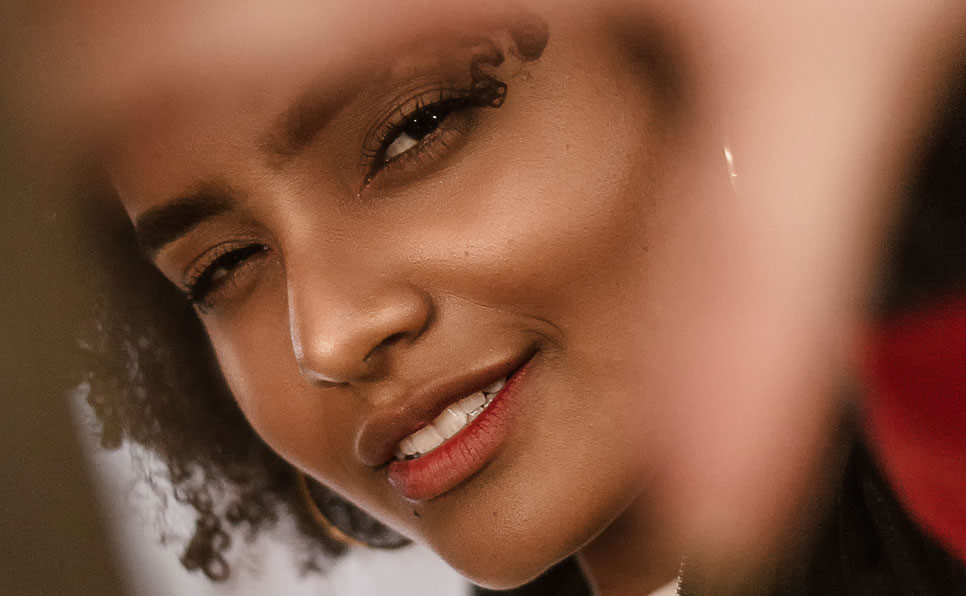
One of the biggest challenges in color grading is preserving natural-looking skin tones. Even when applying dramatic cinematic effects, the subject’s face should remain believable and visually pleasing.
Professional editors often isolate skin tones using masks or secondary color corrections, allowing the background and environment to be stylized without affecting the people in the frame.
Creating Mood Through Color
Colors strongly influence how audiences feel about a scene.
For example:
- Warm colors often create feelings of comfort, happiness, or romance.
- Cool colors can suggest mystery, loneliness, or tension.
- Dark, desaturated colors may increase suspense or drama.
- Bright, vibrant colors can communicate excitement and energy.
Choosing the right color palette helps reinforce the story without relying solely on dialogue.
Maintaining Consistency
Large productions often include hundreds of shots captured over multiple days and locations. Maintaining consistent color across every scene is essential for a professional appearance.
Editors regularly compare clips side by side, adjust lighting differences, and use reference stills to ensure visual continuity throughout the project.
Professional Workflow Tips
Experienced colorists typically follow a structured workflow:
- Organize footage before editing.
- Apply technical color correction first.
- Balance exposure and white balance.
- Match all camera angles.
- Apply creative color grading.
- Fine-tune skin tones.
- Review the final project on calibrated displays.
Following a consistent workflow saves time and produces more reliable results.
The Importance of Practice
Color correction and grading are skills developed through continuous practice. Every project presents different lighting conditions, camera settings, and creative challenges. The more footage an editor works with, the better they become at recognizing subtle color issues and creating polished, cinematic visuals.
Learning to use professional tools such as scopes, masks, curves, and color wheels is an investment that greatly improves editing quality over time.
Final Thoughts
The art of color correction extends far beyond fixing exposure and white balance. It is a combination of technical precision and creative storytelling. By mastering both correction and grading, editors can transform ordinary footage into visually stunning productions that capture attention and enhance every scene.
Whether you’re editing YouTube videos, documentaries, commercials, or feature films, understanding these advanced color techniques will help you create professional-quality content that leaves a lasting impression on your audience.